

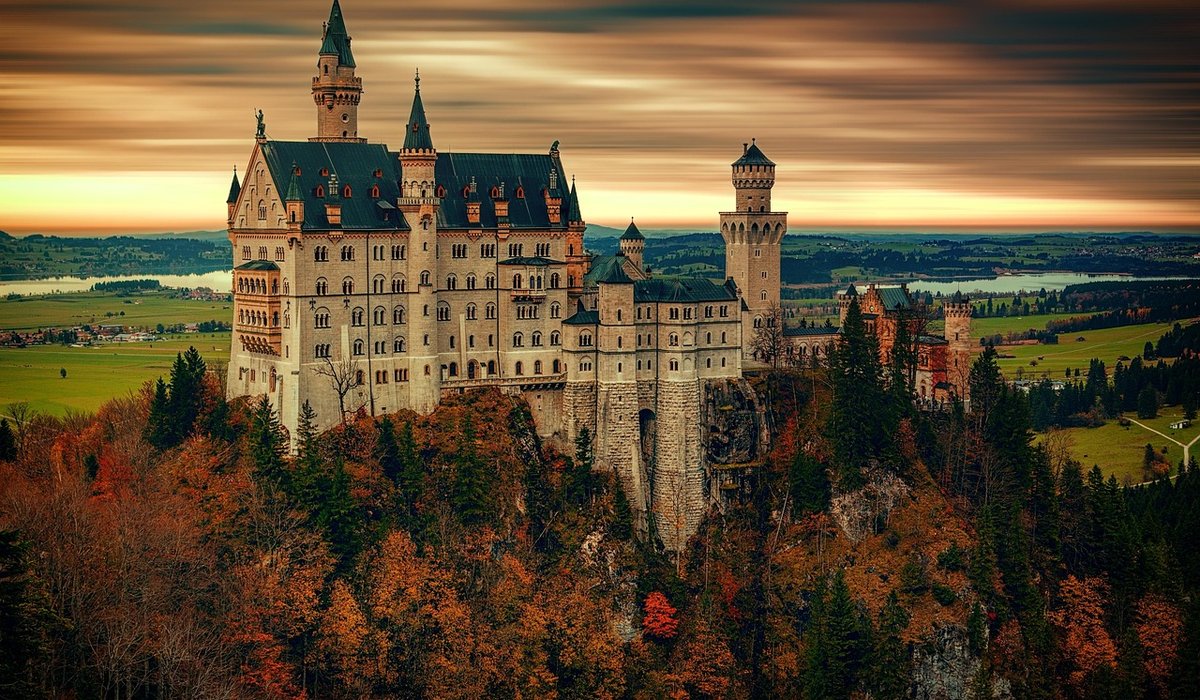
Inverness Castle is the kind of landmark that makes you stop mid-stride. Perched on a cliff above the River Ness, its red sandstone walls glow warmly in the afternoon sun. From the castle grounds, you look down on the river's dark, peaty water, across to the spires of Inverness Cathedral, and out towards the rolling hills that fringe the city. It is a view that has drawn travellers for centuries. But the castle you see today is only the latest chapter in a long and often violent story. The site has been fortified since the twelfth century, and every stone seems to hold a tale.
The first castle at Inverness was likely built by King David I in the 1100s. It was a royal stronghold, designed to control the crossing of the River Ness and the routes north. Over the following centuries, it changed hands many times. During the Wars of Scottish Independence, Robert the Bruce captured the castle in 1308 and ordered its destruction, determined that it should not fall into English hands again. It was rebuilt, but peace was rare. The Lords of the Isles sacked it in 1452, and by the sixteenth century it was a frequent target for clan disputes. The castle was more than a military base; it was a symbol of royal authority in the Highlands, and its fortunes rose and fell with the nation's.
In 1562, Mary, Queen of Scots stayed at Inverness Castle during a progress through the north. The governor at the time refused her entry, so her supporters stormed the gates. That dramatic episode is just one of many. The castle's most famous role came during the Jacobite rising of 1745–46. Government forces held it, but Jacobite troops besieged and captured it in February 1746. After their defeat at Culloden two months later, the Jacobites withdrew, and the government blew up the castle to prevent it being used again. For decades, the site lay in ruins, a stark reminder of the conflict that had torn the Highlands apart.
The castle you see today was built between 1836 and 1842 to a design by William Burn. It is a striking example of Scottish Baronial style, with turrets, corbels, and that distinctive red sandstone. For well over a century, it served as a courthouse and prison, its cells and courtrooms echoing with the dramas of Highland life. In recent years, the castle has been transformed into a major visitor attraction. A new viewing platform offers sweeping panoramas over the city, the river, and the surrounding hills. The interior now tells the story of the Highlands through exhibitions and interactive displays. It is a fine example of how a historic building can find a new purpose without losing its soul.
The castle is the heart of Inverness, but the surrounding area is just as rewarding. A short walk down the hill brings you to Ness Walk, a tree-lined promenade beside the river. Here you will find the statue of Flora MacDonald, the Jacobite heroine who helped Bonnie Prince Charlie escape. Inverness Cathedral, with its pink sandstone and peaceful interior, is worth a visit. Cross the footbridge to the Ness Islands, a pair of wooded isles linked by Victorian footbridges. They are a haven for red squirrels and birds, and a lovely place for a picnic. Further afield, the Caledonian Canal, Loch Ness, and Culloden Battlefield are all within easy reach. The city itself has a compact, walkable centre, with the Victorian Market offering independent shops and cafés.
To make the most of your time, plan to spend at least half a day around the castle and river. The castle viewing platform is best on a clear day, when you can see for miles.
The surrounding streets have plenty of places to eat and drink, from cosy pubs to stylish coffee shops. In summer, the evenings are long and the riverside is lively. Whenever you come, take a moment to stand on the castle esplanade and look out over the River Ness. You will understand why this spot has been fought over for so long.

Strathisla Inverness Simple, genuine and looked after with care — the kind of place worth returning to.

Strathisla Inverness Real stories, useful guides and the occasional recommendation, all in one calm corner of the web.

Discover the music, dance, and athletic competitions that celebrate Scottish heritage throughout the Highland calendar across the region.

Comments
ALina Kelian
19th May 2018 ReplyStrathisla Inverness No rushing, no fuss — just thoughtful notes and practical help, written by people who care. ullamco laboris nisi ut aliquip ex ea commodo consequat.
Rlex Kelian
19th May 2018 ReplyStrathisla Inverness An honest, everyday look at the things that make life a little better — with advice you can actually use. ullamco laboris nisi ut aliquip commodo.
Roboto Alex
21th May 2018 ReplyStrathisla Inverness No rushing, no fuss — just thoughtful notes and practical help, written by people who care. ullamco laboris nisi ut aliquip ex ea commodo consequat.